
By Nafiso Ahmed for Runta News – Columbus, Ohio
As the United States approaches its 250th anniversary, many Somali Americans say their community is often misunderstood in public conversations about immigration and crime. While real issues should be acknowledged, the way some stories are presented can create broad stereotypes that affect people who have no connection to wrongdoing.
One example often discussed is the large fraud case connected to a pandemic food program in Minnesota. Federal investigators found that fraud had taken place, and several individuals were charged and convicted. The case involved people from different backgrounds, and the nonprofit at the center of the investigation was led by Aimee Bock, who is not a Somali. However, public discussion and online commentary sometimes described the case in ways that connected it mainly to the Somali community. This shifted attention away from individual responsibility and instead created a general association between the crime and an entire ethnic group, even though most Somali-owned businesses and daycares were not involved.
At the same time, Somali Americans point to many organizations and community programs that receive less attention. In Minnesota, groups such as the Somali Development Foundation provide mentoring, tutoring, and scholarship support for Somali American students, while the Somali American Parent Association(SAPA) runs after-school tutoring programs for students, and the Somali American Youth Enrichment Club(SAYAC) offers academic support, sports program, and leadership activities that create safe spaces for young people to grow and stay engaged in their communities. Many of these programs are led by Somali educators, parents, and young professionals who focus on education strongly in the community.
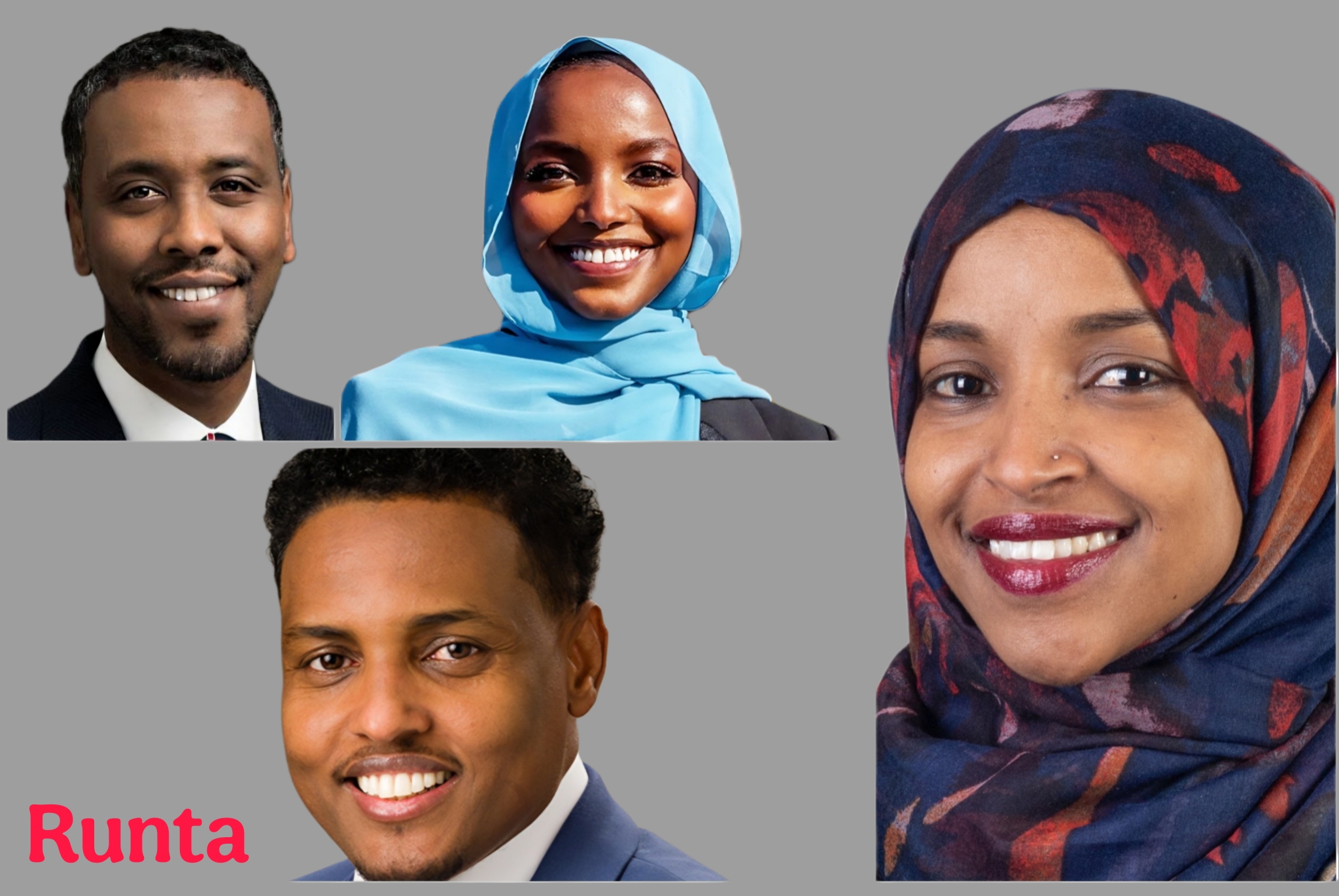
Somali Americans have also become more visible in public service and civic leadership. Ilhan Omar became the first Somali American elected to the U.S Congress, while Abdi Warsame served on the Minneapolis city council and later led the Minneapolis public housing authority. Jamal Osman currently serves on the Minneapolis City Council, and Nadia Mohamed was elected mayor of St. Louis Park, becoming one of the first Somali Americans elected mayor of a U.S city. Alongside elected officials, youth mentorship programs such as the Tusaalo Mentoring Program connect Somali professionals with high school students to encourage academic success and career planning. These organizations use education and community programs as a way to challenge stereotypes and help people better understand Somali American life.
Many Somali Americans also feel that their positive contributions are often overlooked. Across the country, Somali families have opened businesses, worked in healthcare and public service, and raised children who have grown up as Americans. These everyday stories receive far less attention than negative headlines.
In response, Somali organizations and young people are working to tell their own stories through cultural events, education programs, and community projects. These efforts aim to present their experiences fairly and accurately. As the nation reflects on its history, many Somali Americans hope their community will be recognized not by stereotypes, but by their full contributions to American society.